

Home » Shop » Prof Vaquera Training decision making

Prof Vaquera Training decision making

$ 6.99

Number of Drills: 15

Description

Description

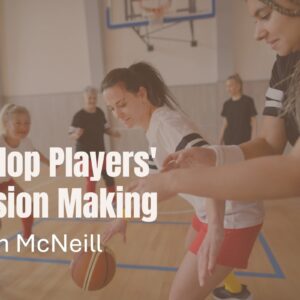
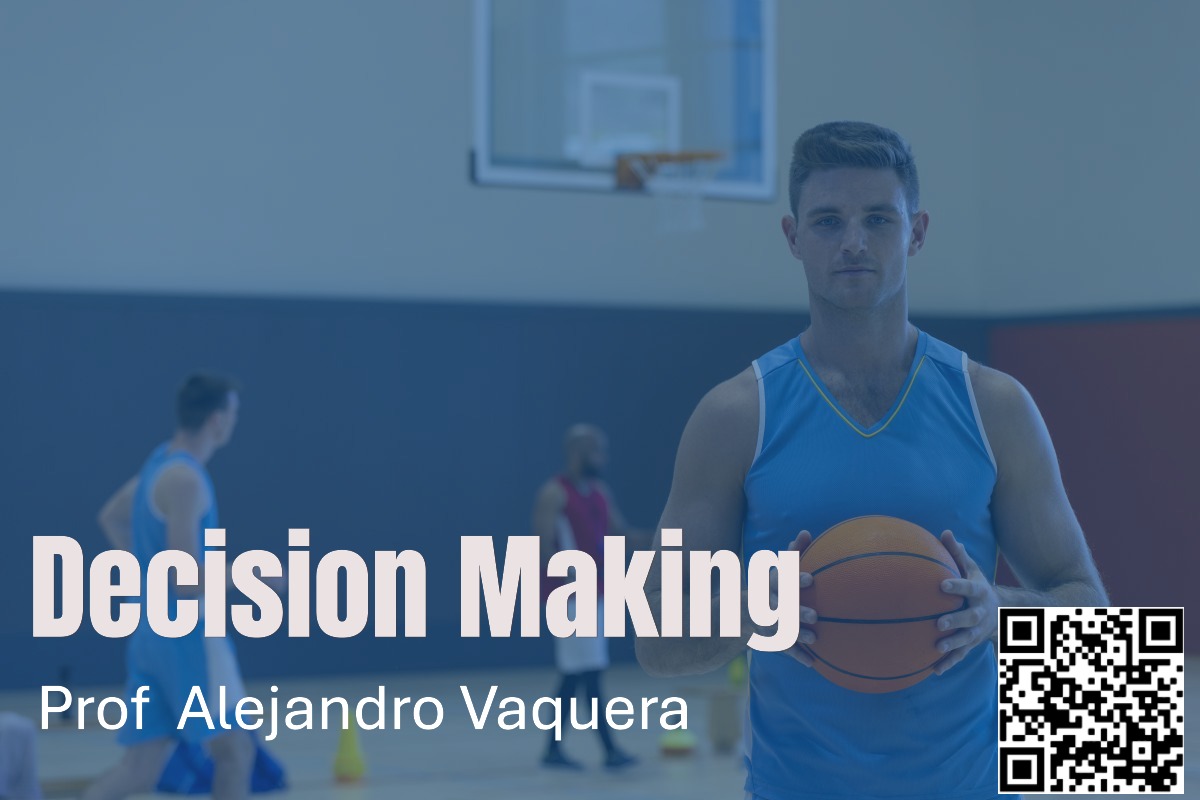
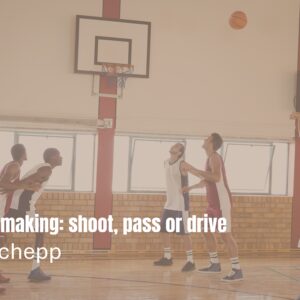
The focus was on the decision-making process in basketball, covering concepts like superiority, equality, spacing, and the importance of limiting dribbles.

The training progressed from 1-on-1 to 2-on-2 to 3-on-3 and 4-on-4, emphasizing communication, reading the defense, and making quick decisions.

The goal was to make the decision-making process automatic for the players through repetition and game-like situations. Some specific points:

  • Attacking the defender’s weak foot/side
  • Importance of moving without the ball on offense
  • Limiting dribbles to force quicker decisions
  • Emphasizing scoring over just running the drill
  • Building up from technical drills to more game-like scenarios
  • Importance of communication and reading the defense on that end

The coach also discussed differences in Spanish youth basketball training, such as allowing full-court pressure but not zone defense at younger ages, and the emphasis on competition and decision-making over pure technique.

Drills

  1. Pass & React Drill (00:03:57 – 00:05:05)
  2. Attack Weak Foot Drill (00:05:05 – 00:07:02)
  3. Penetrate or Shoot Drill (00:07:02 – 00:08:28)
  4. Oe-on-One Advantage Drill (00:09:27 – 00:11:24)
  5. Normal One-on-One Drill (00:12:17 – 00:15:56)
  6. Score-Based One-on-One (00:16:07 – 00:18:31)
  7. One-on-One from Different Spots (00:19:50 – 00:24:22)
  8. One-on-One with Pass Options (00:25:19 – 00:27:51)
  9. Two-on-Two Closeout Drill (00:30:05 – 00:33:05)
  10. Two-on-two movement Drill (00:33:34 – 00:36:59)
  11. Two-on-Two Advantage Drill (00:36:59 – 00:39:45)
  12. Three-on-Two in to Two-on-One Transition Drill (00:41:39 – 00:46:00)
  13. Three-on-Three Situational Drill (00:46:00 – 00:54:54)
  14. Four-on-Four Drill (00:55:05 – 01:04:50)
  15. Five-on-Five Drill (01:04:50 – 01:08:44)
Detailed summary

Key Topics

  1. Superiority, Equality, and Decision-Making: Exploring different game situations where the offense or defense has the advantage, and how players should make decisions accordingly.
  2. Spacing and Dribbling: The importance of court spacing and the effective use of dribbling in decision-making.
  3. One-on-One, Two-on-Two, and Three-on-Three Situations: Progressively building up the complexity of decision-making from individual to team scenarios.
  4. Defensive Communication and Positioning: The significance of communication and proper defensive positioning in decision-making.
  5. Transition from Drills to Game-Like Situations: Gradually transitioning players from technical drills to more realistic, game-like decision-making scenarios.

Insights and Takeaways

  1. Decision-making is a long-term process that should be developed from an early age, starting with individual skills and progressing to team-based situations.
  2. Effective decision-making requires a combination of technical, tactical, and mental skills, which can be cultivated through targeted drills and game-like scenarios.
  3. The coach's role is to provide the necessary tools and guidelines, but ultimately, the players must be empowered to make their own decisions and learn from their mistakes.
  4. Communication, both among players and between the coach and players, is crucial for effective decision-making, especially on the defensive end.
  5. Balancing the number of dribbles, court spacing, and awareness of the game situation (score, time, etc.) are key factors in developing sound decision-making abilities.

Conclusions

  1. Adopt a comprehensive approach to decision-making development, starting with individual skills and gradually increasing the complexity of game situations.
  2. Emphasize the importance of communication, both on offense and defense, to enhance the team's decision-making capabilities.
  3. Provide players with the necessary tools and guidelines, but allow them to make their own decisions and learn from their mistakes, fostering a growth mindset.
  4. Continuously assess and adjust the training approach to ensure that decision-making skills are being effectively developed and transferred to game situations.
  5. Encourage a competitive environment where players are motivated to make sound decisions and strive to win, while also learning from their losses.
Scroll To Top
Close
Close
Close

My Cart

Shopping cart is empty!

Continue Shopping

Select at least 2 products
to compare